
Gone are the days when corporations could lay out multiple floors of office buildings with arrays of desks and never consider anything different.
Events from recent years have made that clear.
The upheaval caused by the COVID pandemic at first accelerated an existing trend towards more flexible, off-site working. That was followed by a gradual return to the office, but often to more agile workplaces.
Businesses with short-term leases might have downsized, only to find that they need more space. Those with freehold premises or long-term ground leases probably have more space to play with, and good reasons to do so.
Post-pandemic research consistently shows that workplaces need continual adaptation rather than static one-and-done designs.
But that can come at a cost.
Ripping out traditional plasterboard walls and installing new ones is expensive, messy and unsustainable.
Fortunately, there is an alternative. Prefabricated walls, rooms and units, such as soft seating booths, intelligent storage and display units, are already the go-to solution for architects and contractors in North America. Increasingly, they are making headway in the UK market.
It’s not hard to see why. The best of these systems are wonderfully configurable and reconfigurable, allowing corporations to change layouts frequently without the costs, environmental fallout and upheaval of traditional refits.
Let’s look at the case for regularly redesigning the workplace.
Research from Scarlett Abbott notes that workplace design affects both emotional state and task performance, especially where lighting, ergonomics and sensory comfort are concerned.
Periodic redesign allows businesses to realign space with actual employee behaviour rather than legacy assumptions.
The International WELL Building Institute framework has been associated with measurable business outcomes, such as staff turnover falling by 27 per cent and absenteeism dropping by half after workplace wellbeing improvements were introduced.
These types of interventions often involve iterative redesigns and continuous workplace optimisation rather than single refurbishments.
Many sectors – such as the law, where demand for professional skills exceeds supply – have learned that they need to offer not only the opportunity to work from home or remotely but also workplaces that people want to spend time in.
Others are realising benefits such as increased productivity and staff wellbeing by designing spaces around people instead of imposing one-size-fits-all floor plans on everyone.
A report from the World Green Building Council concluded there is overwhelming evidence linking office design with employee health, wellbeing and productivity. Factors it identified included thermal comfort, acoustics and layout – all of which can be delivered with good prefabricated systems – as directly influencing cognitive performance, stress and satisfaction.
Research discussed by What Works Wellbeing argues that offices now need to support collaboration, quiet focus and social interaction rather than simply maximising desk density. Again, a modular solution allows for private, quiet units where people can, for example, make confidential client calls or concentrate on a complex tender document.
GHD’s workplace wellbeing analysis notes that workplace expectations continue to evolve and that organisations increasingly redesign offices to respond to staff expectations and build in new ways of working.
A recurring finding in workplace research is that outdated environments negatively affect morale and perceived value.
In a survey, four out of ten UK workers said their office did not make them feel valued, with many describing older workplaces as uninspiring. Employees were also more likely to consider leaving workplaces that felt poorly designed or outdated.
Conversely, research highlighted by Mix Interiors found that strong office design could make employees up to 33 per cent happier at work.
All this supports the argument for periodic redesign or refresh programmes to maintain engagement and reflect organisational culture.
And it is not all about breakout areas for energetic, agile team-bonding. Evidence suggests that even the background noise in an open-plan office can reduce concentration and increase stress if not balanced with quieter areas.
Modern workplace strategies increasingly include:
New layouts are energising for staff but may also positively influence clients and give organisations an added reason to have actual rather than virtual workplaces.
Consider a regular visitor to a professional firm, perhaps an important client of an accountancy business who visits several times a year. After a while, if the premises remain static, the environment loses the impressive sheen it had on the first visit.
So, shaking things up periodically demonstrates confidence and investment in the future.
Unlike traditional plasterboard walls, which have to be ripped out and replaced during refurbs, the best modular systems are reconfigurable and can be reimagined several times during their lifetime.
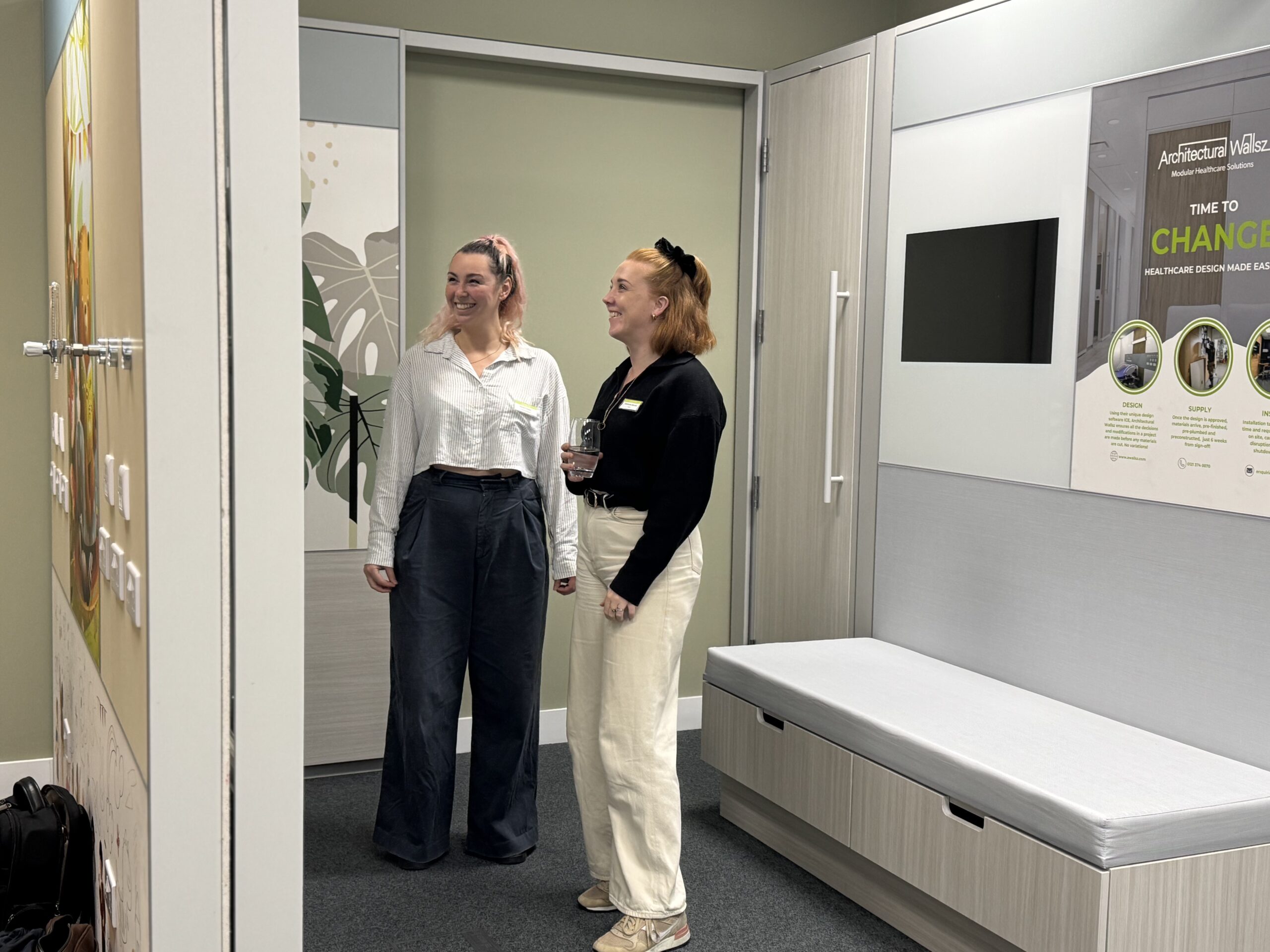
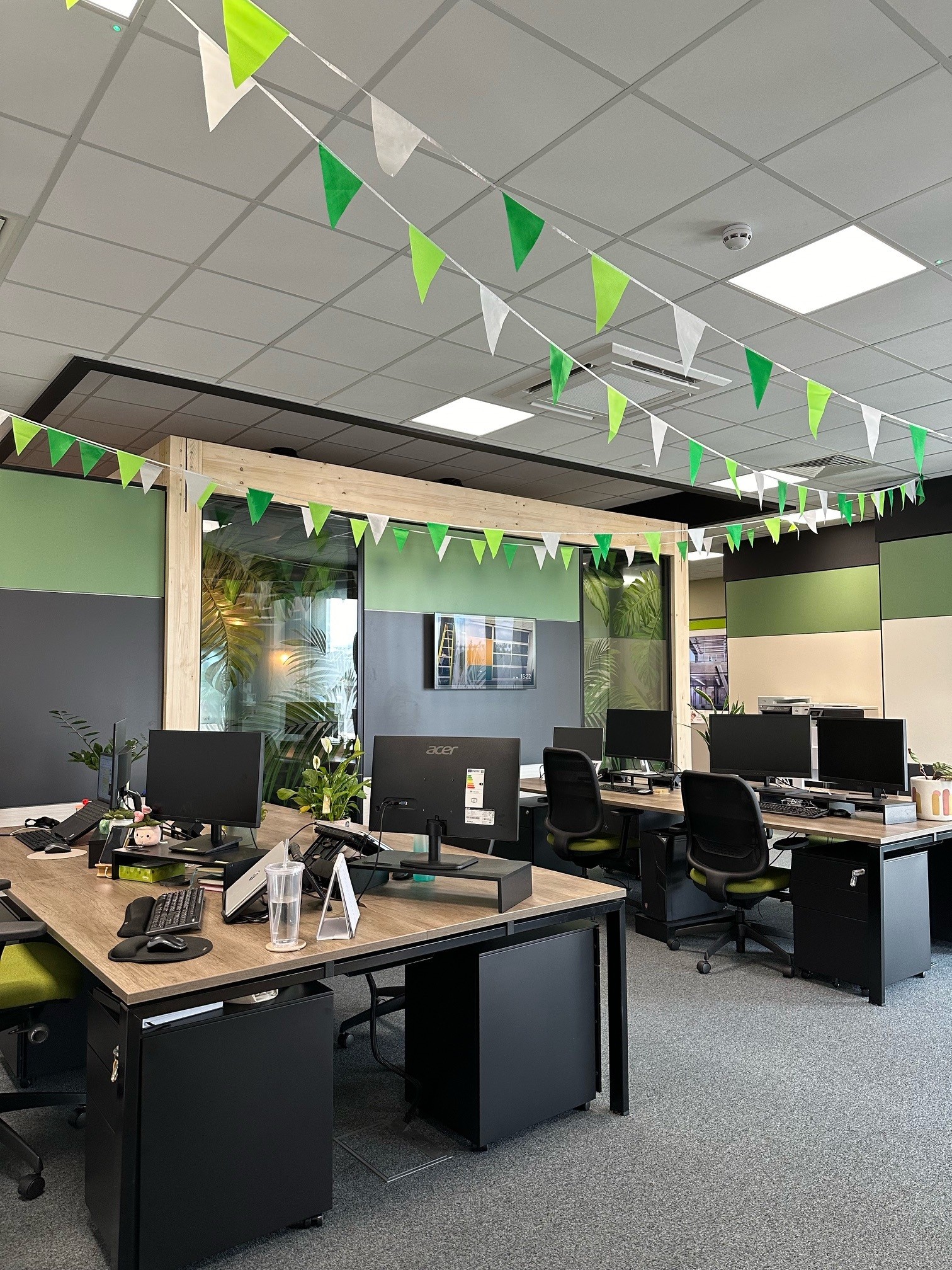
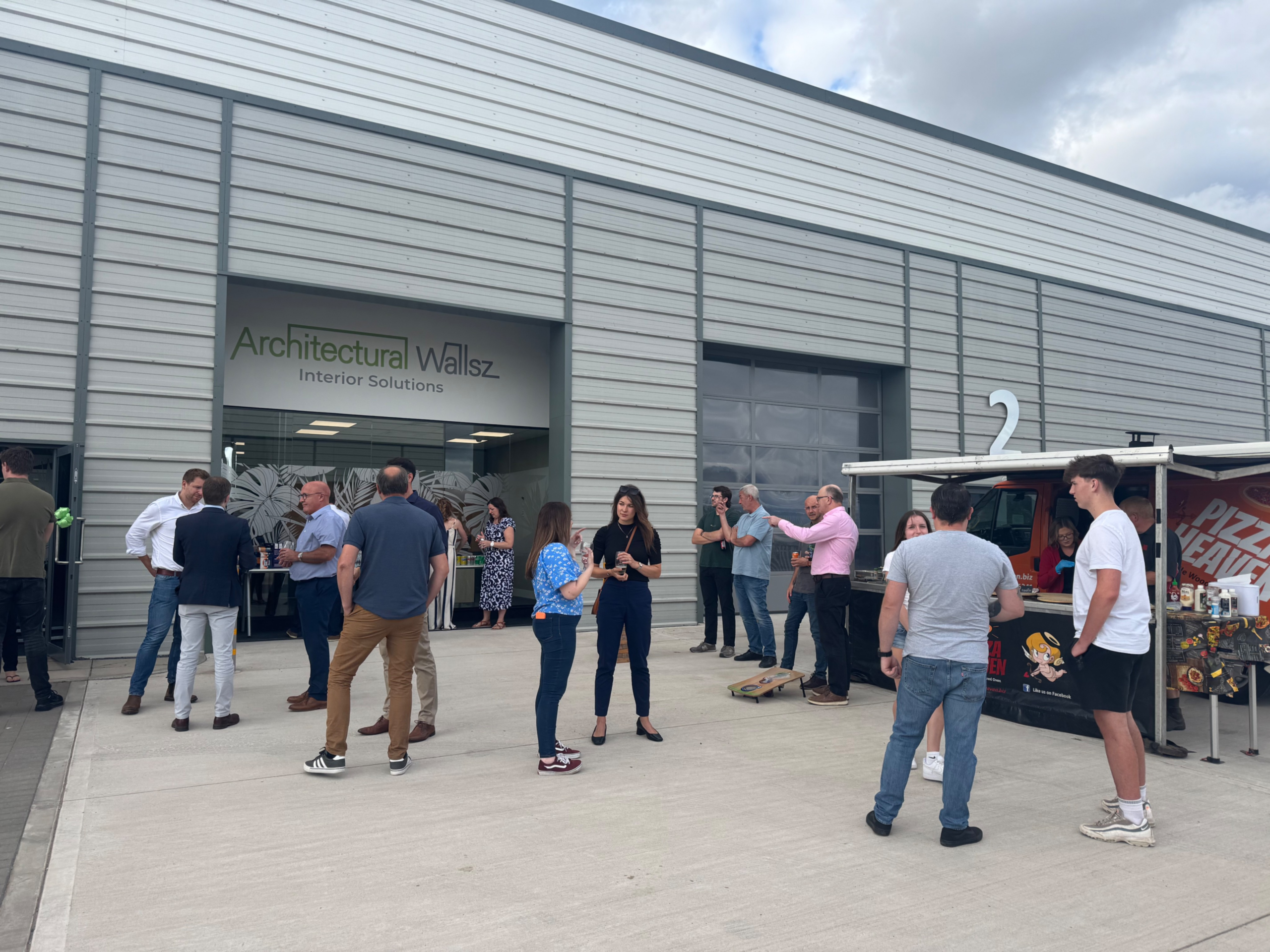
One of the leading international brands in the field is marketed and installed by Architectural Wallsz.
In the US and Canada, it is already the go-to system for many architects and has been deployed by the likes of Visa, Google, Autodesk, Silicon Labs, Avison Young and Toyota.
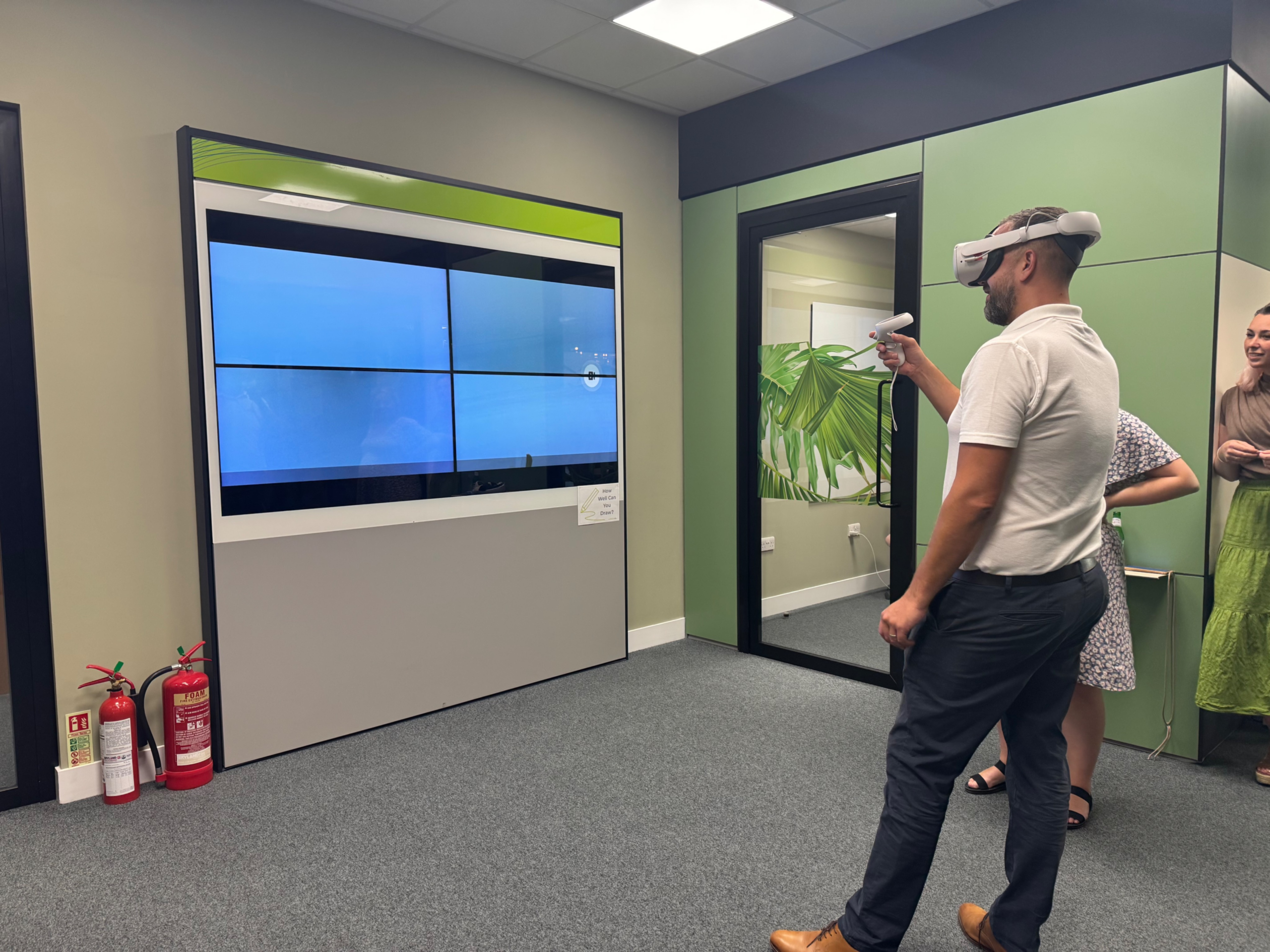
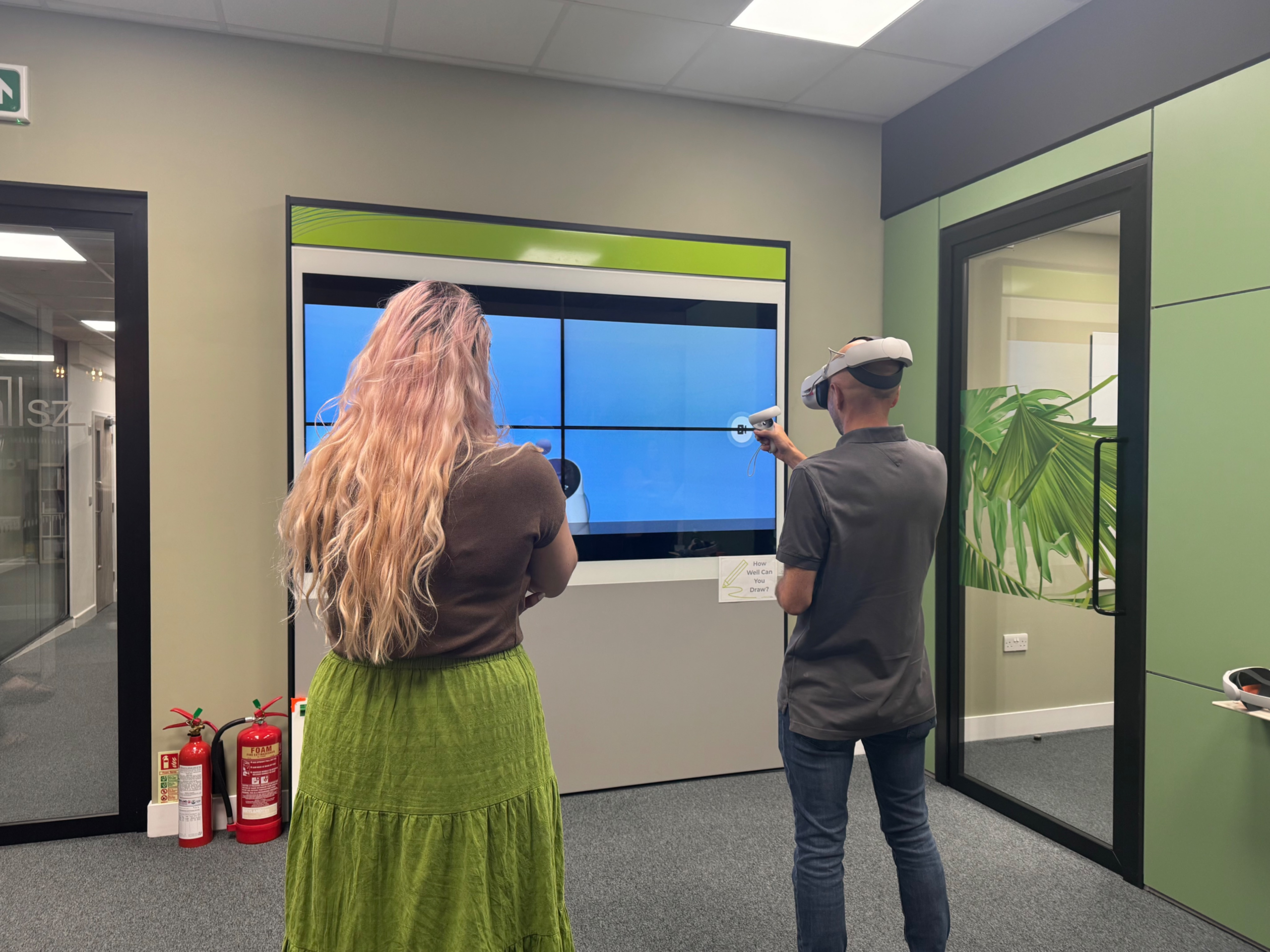
In the UK, the concept is gaining momentum, with installations at leading banks and professional firms, such as Tokai Carbon, Twitter, a prestigious London bank, and even the AWallsz Innovation Hub.
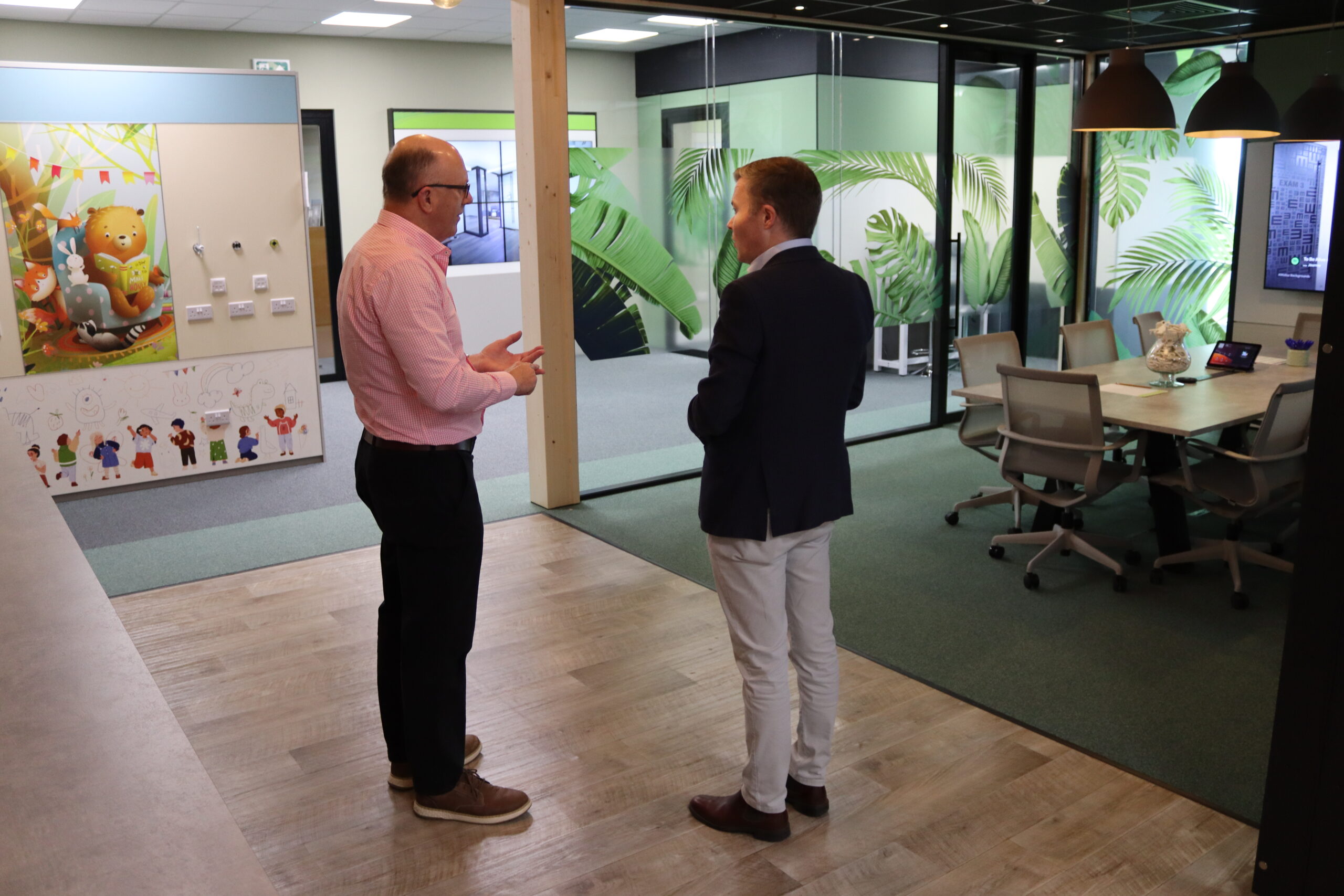
For Tokai Carbon, a Japanese manufacturing company, Architectural Wallsz designed and installed a bespoke prefabricated solution. This included casework, integrated media and writable surfaces, facilitating more dynamic meetings, seamless collaboration and efficient presentations.
At Twitter Picadilly Circus, the company delivered two fabric-finished moving walls and a steel-framed glazed moving wall, with two static glazed partitions on either side to form a trapezoid shape. This allowed Twitter to maximise flexibility by enabling the space to be opened up or enclosed, depending on operational needs.
The London Bank invested in prefabricated interiors across three floors of its building back in 2014. Since then, they have changed the floor plan, moved meeting rooms, increased and decreased office spaces five times, all using existing materials, exemplifying the continued cost savings and design freedom clients gain from investment in relocatable systems.
The systems offered by Architectural Wallsz allow almost limitless freedom to create modern and future-proof commercial spaces with an estimated lifespan of 30 years and a ten-year guarantee.
Off-site manufacturing delivers faster installations with less noise and downtime, ensuring deadlines and timescales are met with minimal disruption.
Prefabricated solutions from Architectural Wallsz offer an ideal acoustic profile. Whether for meetings, productivity, privacy, confidentiality or focused learning, they are designed to match the client’s needs with double-glazed systems acoustically tested to 55db.
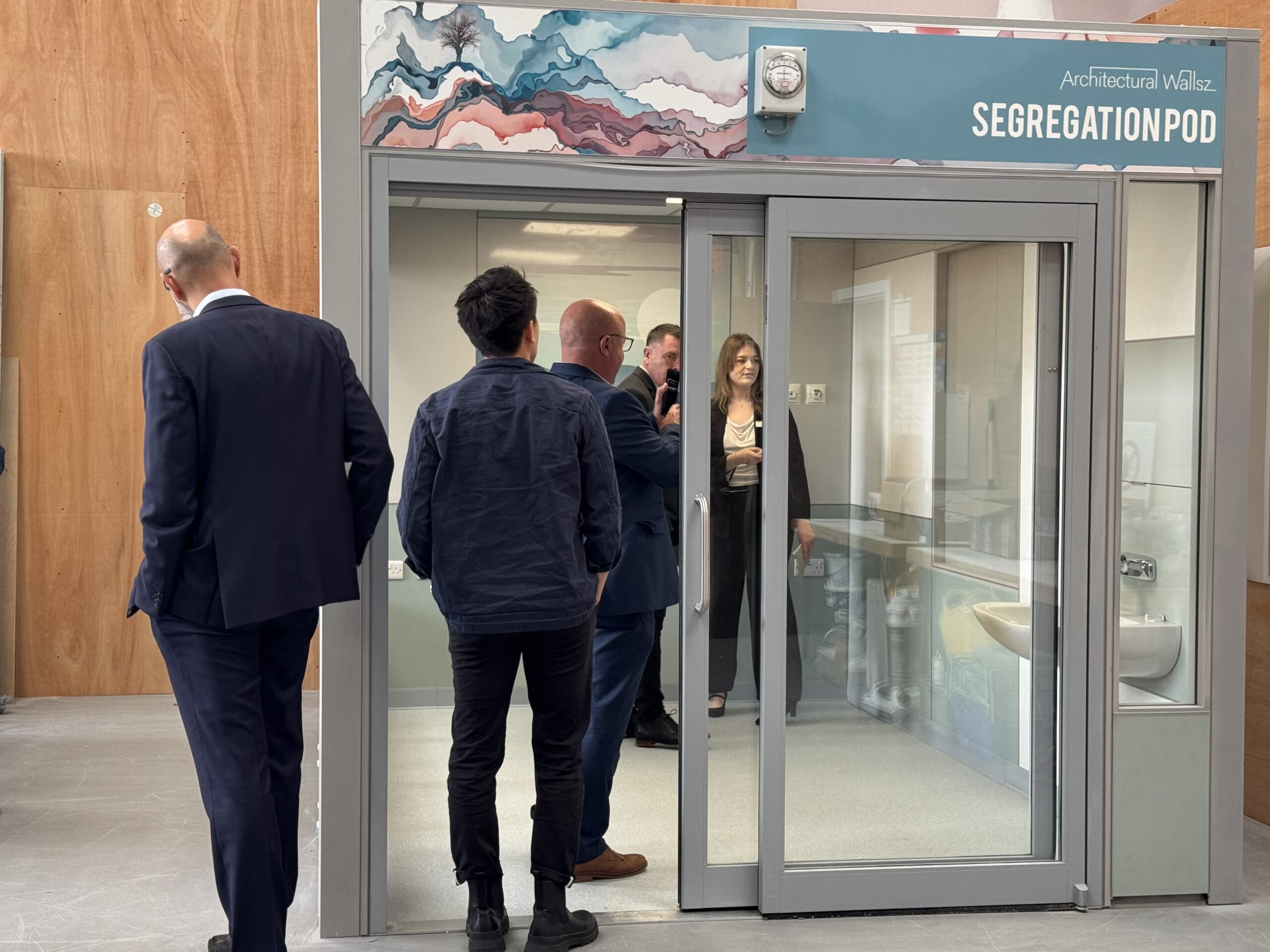
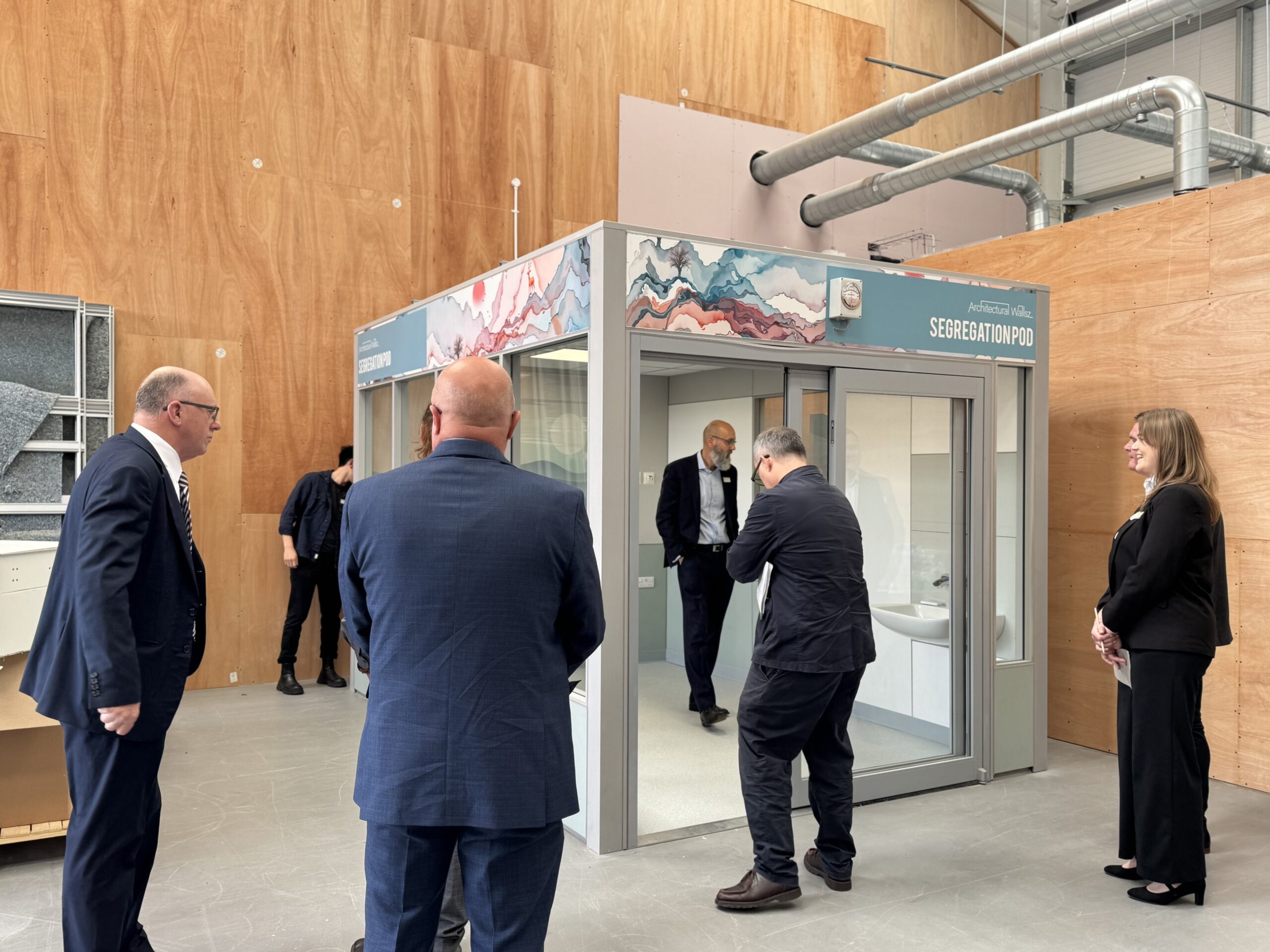
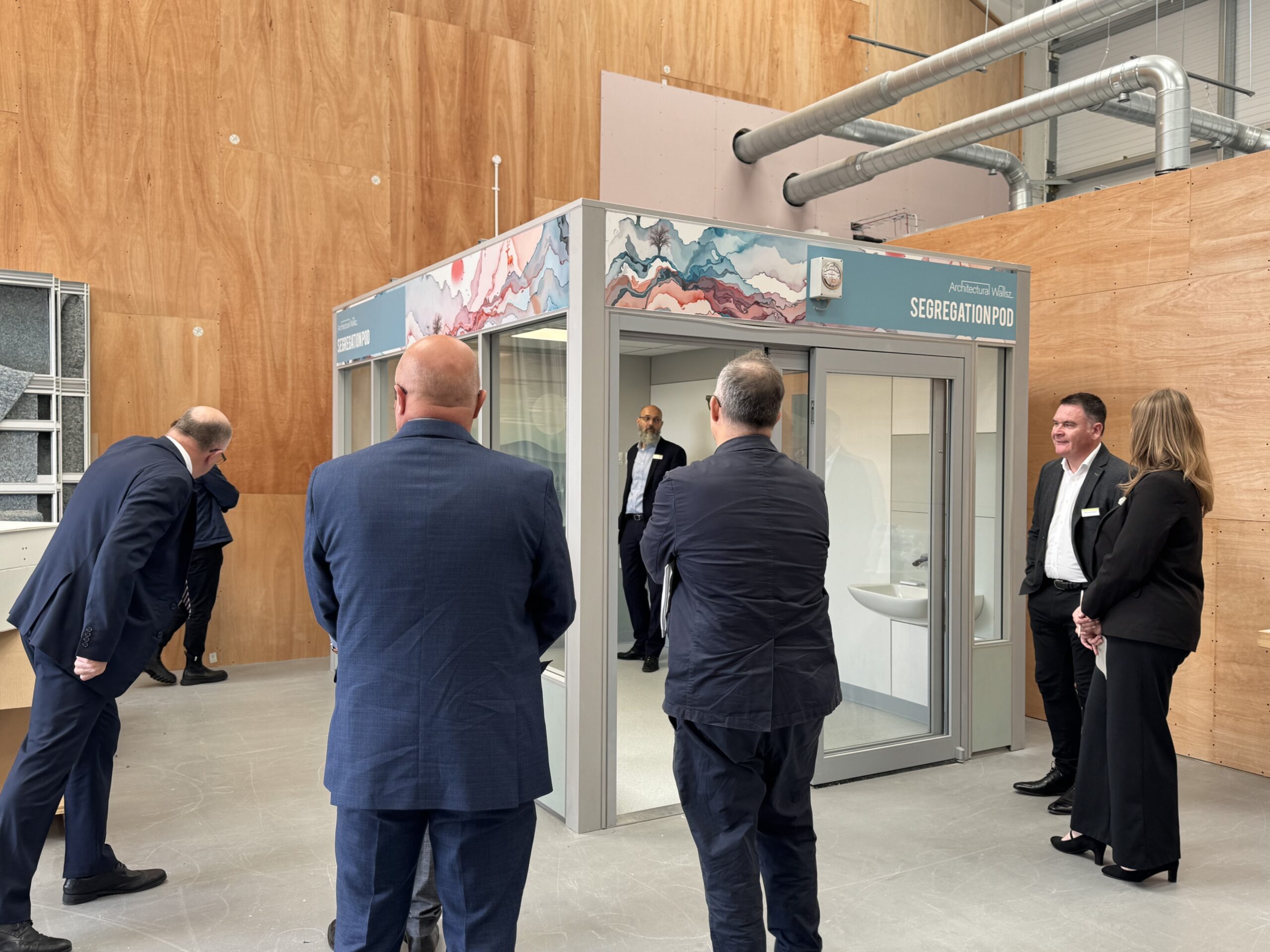
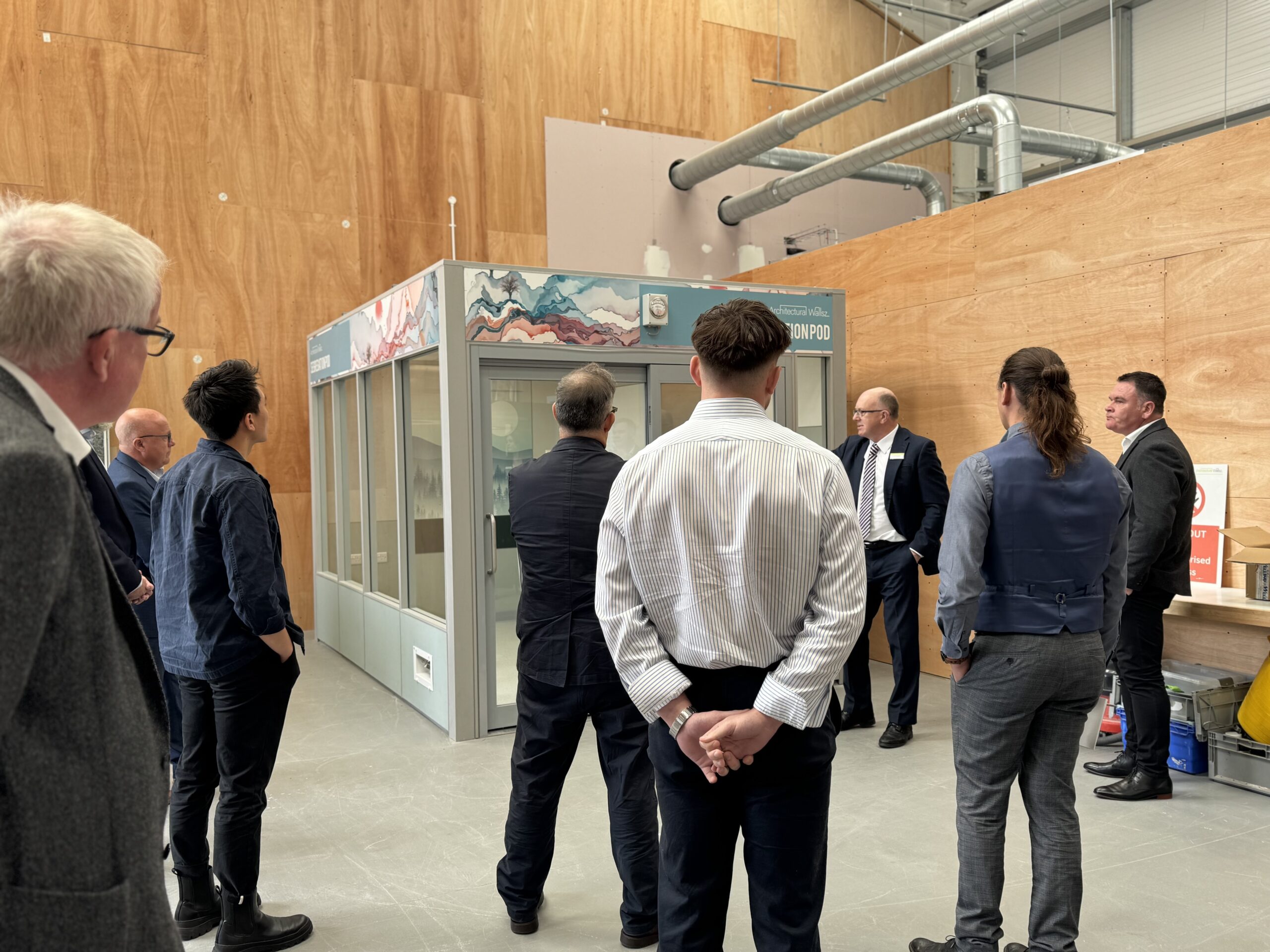
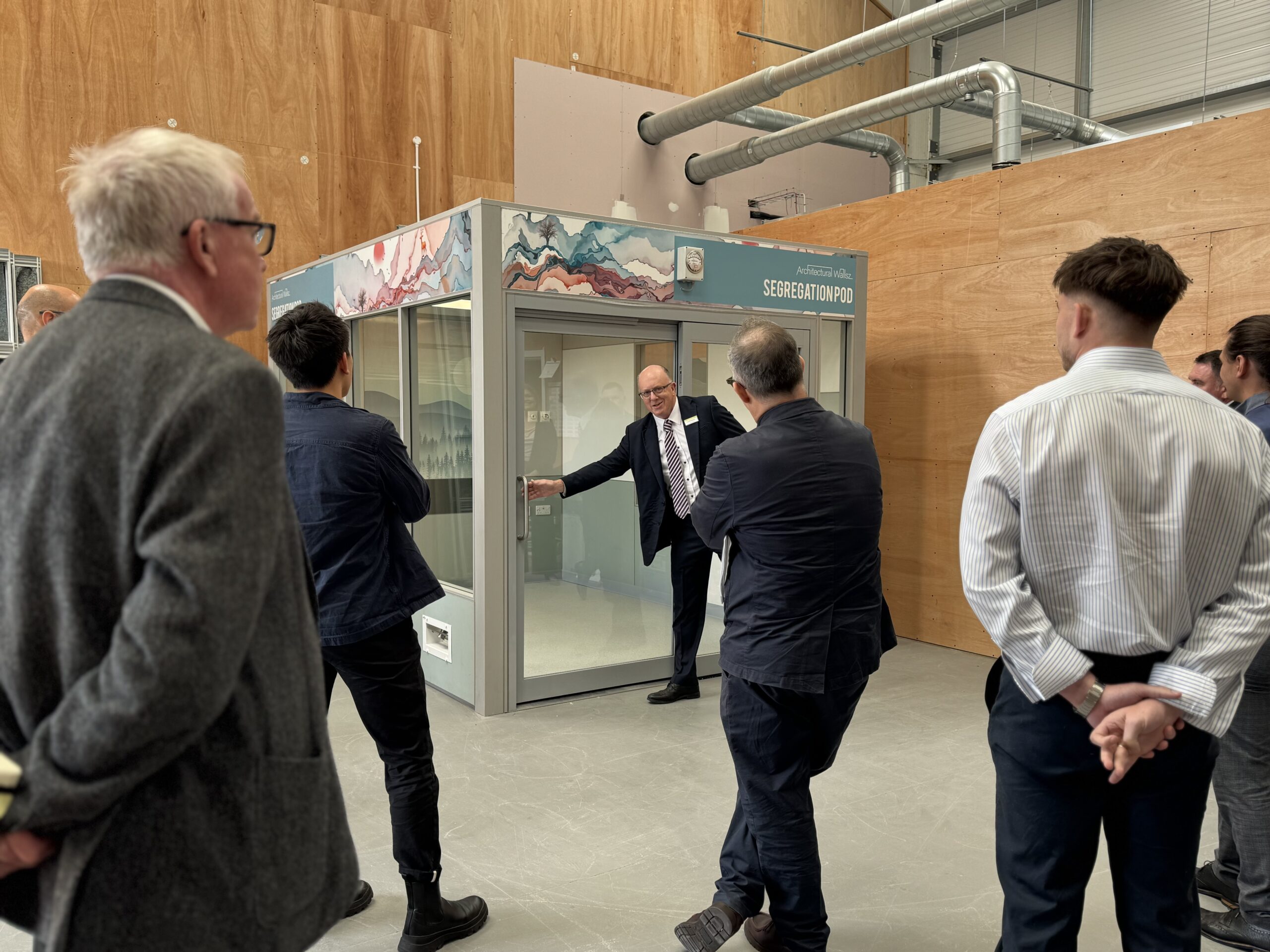
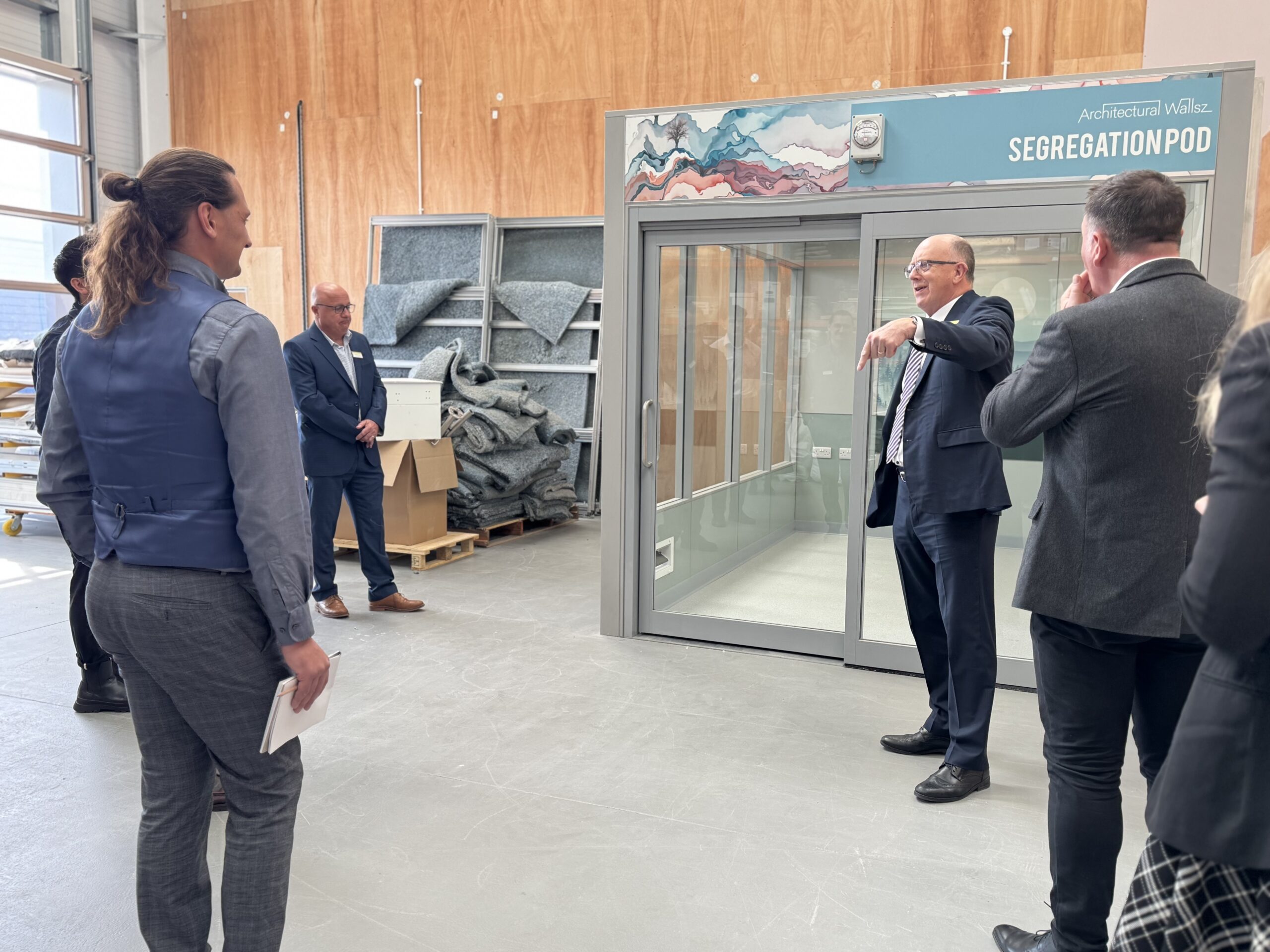
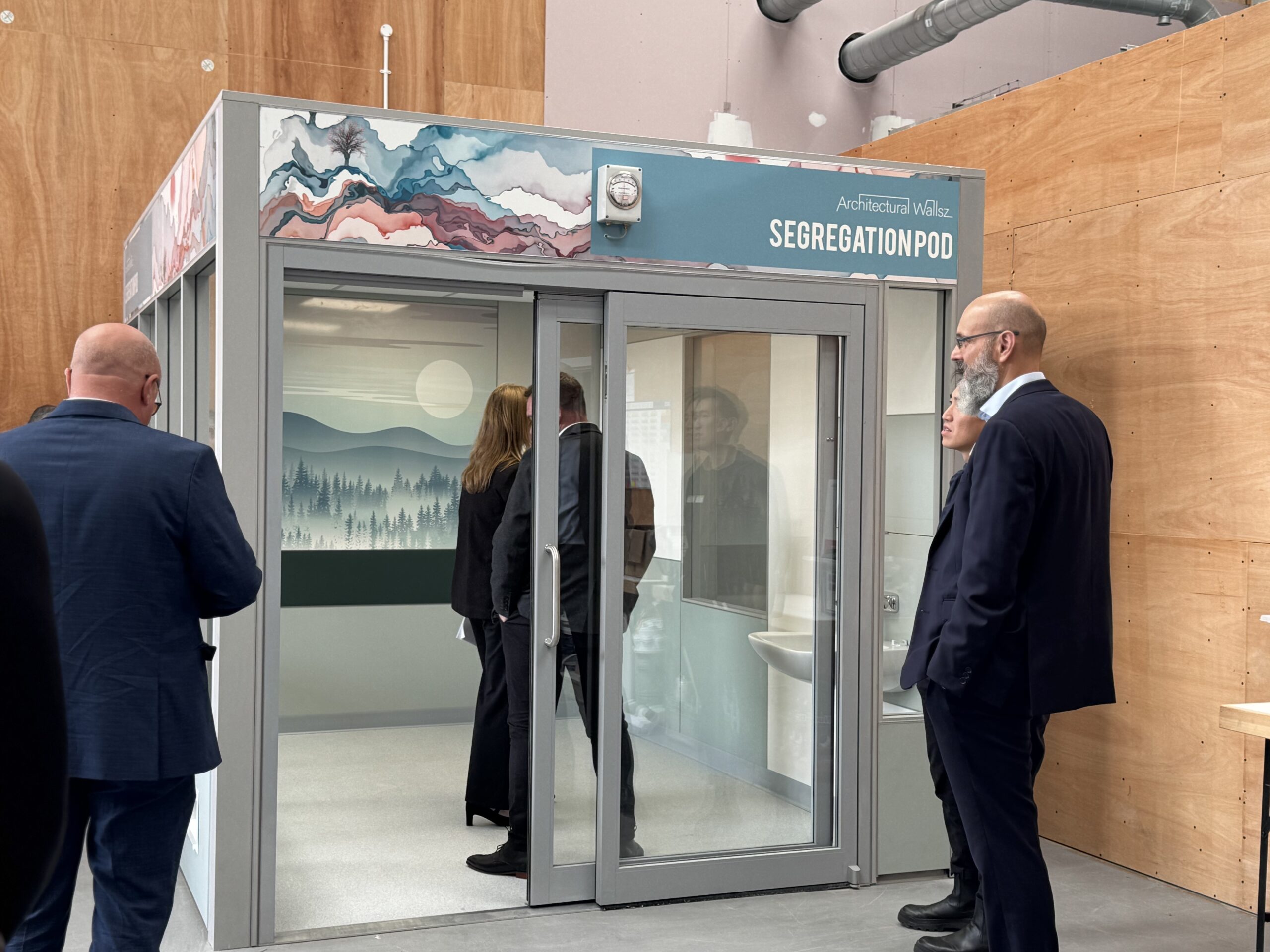
The company’s study pods provide a quiet and private space to work, study, hold virtual meetings or interviews and are in line with the requirements of Building Bulletin 96.
Other products include stylish glazed or timber-glazed partitions. Media walls allow screens to be integrated or attached with universal mounting, enabling them to adapt to future audiovisual and ICT technologies.
For moving walls, the company offers monobloc partitioning that utilises modular components to create multiple configurations. Quick and simple to install, it is also easy to move around when space demands change.
The company also creates casework, cabinets, and storage using the same manufacturing technology, allowing clients to tailor solutions for their functionality and aesthetics.
With sustainability and the circular economy zooming up the C-Suite agenda, a major attraction of the Architectural Wallsz solution is that it can be used and reused in stark contrast to traditional plasterboard walls.
Plasterboard is inherently unsustainable in retrofits due to its high volume of site waste. During traditional renovations, contractors discard hundreds of kilos of off-cuts and damaged boards, which break down in landfill, producing hydrogen sulphide, a toxic and odorous gas.
Meanwhile, the production of new plasterboard relies on mining raw gypsum, a finite natural resource, and involves high-energy calcination processes.
By contrast, the modular walls supplied by Architectural Wallsz are not only reusable but also integrate acoustical performance through recycled denim insulation. Offsite fabrication techniques also significantly reduce waste, with manufacturing processes designed to minimise material offcuts and improve installation efficiency.
The evidence supports the concept that periodic office redesign helps organisations:
The strongest case is not necessarily for constant expensive refurbishments, but for ongoing adaptation and periodic workplace refreshes informed by real occupancy and employee feedback data.
Compared with traditional refurbishment methods, prefabricated systems deliver sustainably and affordably.
Gone are the days when corporations could lay out multiple floors of office buildings with arrays of desks and never consider anything different.
Events from recent years have made that clear.
The upheaval caused by the COVID pandemic at first accelerated an existing trend towards more flexible, off-site working. That was followed by a gradual return to the office, but often to more agile workplaces.
Businesses with short-term leases might have downsized, only to find that they need more space. Those with freehold premises or long-term ground leases probably have more space to play with, and good reasons to do so.
Post-pandemic research consistently shows that workplaces need continual adaptation rather than static one-and-done designs.
But that can come at a cost.
Ripping out traditional plasterboard walls and installing new ones is expensive, messy and unsustainable.
Fortunately, there is an alternative. Prefabricated walls, rooms and units, such as soft seating booths, intelligent storage and display units, are already the go-to solution for architects and contractors in North America. Increasingly, they are making headway in the UK market.
It’s not hard to see why. The best of these systems are wonderfully configurable and reconfigurable, allowing corporations to change layouts frequently without the costs, environmental fallout and upheaval of traditional refits.
Let’s look at the case for regularly redesigning the workplace.
Research from Scarlett Abbott notes that workplace design affects both emotional state and task performance, especially where lighting, ergonomics and sensory comfort are concerned.
Periodic redesign allows businesses to realign space with actual employee behaviour rather than legacy assumptions.
The International WELL Building Institute framework has been associated with measurable business outcomes, such as staff turnover falling by 27 per cent and absenteeism dropping by half after workplace wellbeing improvements were introduced.
These types of interventions often involve iterative redesigns and continuous workplace optimisation rather than single refurbishments.
Many sectors – such as the law, where demand for professional skills exceeds supply – have learned that they need to offer not only the opportunity to work from home or remotely but also workplaces that people want to spend time in.
Others are realising benefits such as increased productivity and staff wellbeing by designing spaces around people instead of imposing one-size-fits-all floor plans on everyone.
A report from the World Green Building Council concluded there is overwhelming evidence linking office design with employee health, wellbeing and productivity. Factors it identified included thermal comfort, acoustics and layout – all of which can be delivered with good prefabricated systems – as directly influencing cognitive performance, stress and satisfaction.
Research discussed by What Works Wellbeing argues that offices now need to support collaboration, quiet focus and social interaction rather than simply maximising desk density. Again, a modular solution allows for private, quiet units where people can, for example, make confidential client calls or concentrate on a complex tender document.
GHD’s workplace wellbeing analysis notes that workplace expectations continue to evolve and that organisations increasingly redesign offices to respond to staff expectations and build in new ways of working.
A recurring finding in workplace research is that outdated environments negatively affect morale and perceived value.
In a survey, four out of ten UK workers said their office did not make them feel valued, with many describing older workplaces as uninspiring. Employees were also more likely to consider leaving workplaces that felt poorly designed or outdated.
Conversely, research highlighted by Mix Interiors found that strong office design could make employees up to 33 per cent happier at work.
All this supports the argument for periodic redesign or refresh programmes to maintain engagement and reflect organisational culture.
And it is not all about breakout areas for energetic, agile team-bonding. Evidence suggests that even the background noise in an open-plan office can reduce concentration and increase stress if not balanced with quieter areas.
Modern workplace strategies increasingly include:
New layouts are energising for staff but may also positively influence clients and give organisations an added reason to have actual rather than virtual workplaces.
Consider a regular visitor to a professional firm, perhaps an important client of an accountancy business who visits several times a year. After a while, if the premises remain static, the environment loses the impressive sheen it had on the first visit.
So, shaking things up periodically demonstrates confidence and investment in the future.
Unlike traditional plasterboard walls, which have to be ripped out and replaced during refurbs, the best modular systems are reconfigurable and can be reimagined several times during their lifetime.
One of the leading international brands in the field is marketed and installed by Architectural Wallsz.
In the US and Canada, it is already the go-to system for many architects and has been deployed by the likes of Visa, Google, Autodesk, Silicon Labs, Avison Young and Toyota.
In the UK, the concept is gaining momentum, with installations at leading banks and professional firms, such as Tokai Carbon, Twitter, a prestigious London bank, and even the AWallsz Innovation Hub.
For Tokai Carbon, a Japanese manufacturing company, Architectural Wallsz designed and installed a bespoke prefabricated solution. This included casework, integrated media and writable surfaces, facilitating more dynamic meetings, seamless collaboration and efficient presentations.
At Twitter Picadilly Circus, the company delivered two fabric-finished moving walls and a steel-framed glazed moving wall, with two static glazed partitions on either side to form a trapezoid shape. This allowed Twitter to maximise flexibility by enabling the space to be opened up or enclosed, depending on operational needs.
The London Bank invested in prefabricated interiors across three floors of its building back in 2014. Since then, they have changed the floor plan, moved meeting rooms, increased and decreased office spaces five times, all using existing materials, exemplifying the continued cost savings and design freedom clients gain from investment in relocatable systems.
The systems offered by Architectural Wallsz allow almost limitless freedom to create modern and future-proof commercial spaces with an estimated lifespan of 30 years and a ten-year guarantee.
Off-site manufacturing delivers faster installations with less noise and downtime, ensuring deadlines and timescales are met with minimal disruption.
Prefabricated solutions from Architectural Wallsz offer an ideal acoustic profile. Whether for meetings, productivity, privacy, confidentiality or focused learning, they are designed to match the client’s needs with double-glazed systems acoustically tested to 55db.
The company’s study pods provide a quiet and private space to work, study, hold virtual meetings or interviews and are in line with the requirements of Building Bulletin 96.
Other products include stylish glazed or timber-glazed partitions. Media walls allow screens to be integrated or attached with universal mounting, enabling them to adapt to future audiovisual and ICT technologies.
For moving walls, the company offers monobloc partitioning that utilises modular components to create multiple configurations. Quick and simple to install, it is also easy to move around when space demands change.
The company also creates casework, cabinets, and storage using the same manufacturing technology, allowing clients to tailor solutions for their functionality and aesthetics.
With sustainability and the circular economy zooming up the C-Suite agenda, a major attraction of the Architectural Wallsz solution is that it can be used and reused in stark contrast to traditional plasterboard walls.
Plasterboard is inherently unsustainable in retrofits due to its high volume of site waste. During traditional renovations, contractors discard hundreds of kilos of off-cuts and damaged boards, which break down in landfill, producing hydrogen sulphide, a toxic and odorous gas.
Meanwhile, the production of new plasterboard relies on mining raw gypsum, a finite natural resource, and involves high-energy calcination processes.
By contrast, the modular walls supplied by Architectural Wallsz are not only reusable but also integrate acoustical performance through recycled denim insulation. Offsite fabrication techniques also significantly reduce waste, with manufacturing processes designed to minimise material offcuts and improve installation efficiency.
The evidence supports the concept that periodic office redesign helps organisations:
The strongest case is not necessarily for constant expensive refurbishments, but for ongoing adaptation and periodic workplace refreshes informed by real occupancy and employee feedback data.
Compared with traditional refurbishment methods, prefabricated systems deliver sustainably and affordably.














We often send out our newsletter with news and great offers. We will never disclose your data to third parties and you can unsubscribe from the newsletter at any time.
Unfortunately, we’re unable to offer free samples. As a retailer, we buy all magazines from their publishers at the regular trade price. However, you could contact the magazine’s publisher directly to ask if they can send you a free copy.
You can create a new account at the end of the order process or on the following page. You can view all of your orders and subscriptions in your customer account. You can also change your addresses and your password.
No, you don’t have to create an account. But there are a few advantages if you create an account.
You never have to enter your billing and shipping address again
Find all of your orders, subscriptions and addresses in your account
Download invoices of your orders
No, we don’t have a physical store location at the moment. We accept only orders through our online shop and we’re shipping all orders with the Swiss Post Service. Please visit our shipping section for more details.
From time to time you will find us at design fairs and popup markets in Switzerland. Subscribe to our newsletter and you’ll receive the latest news.